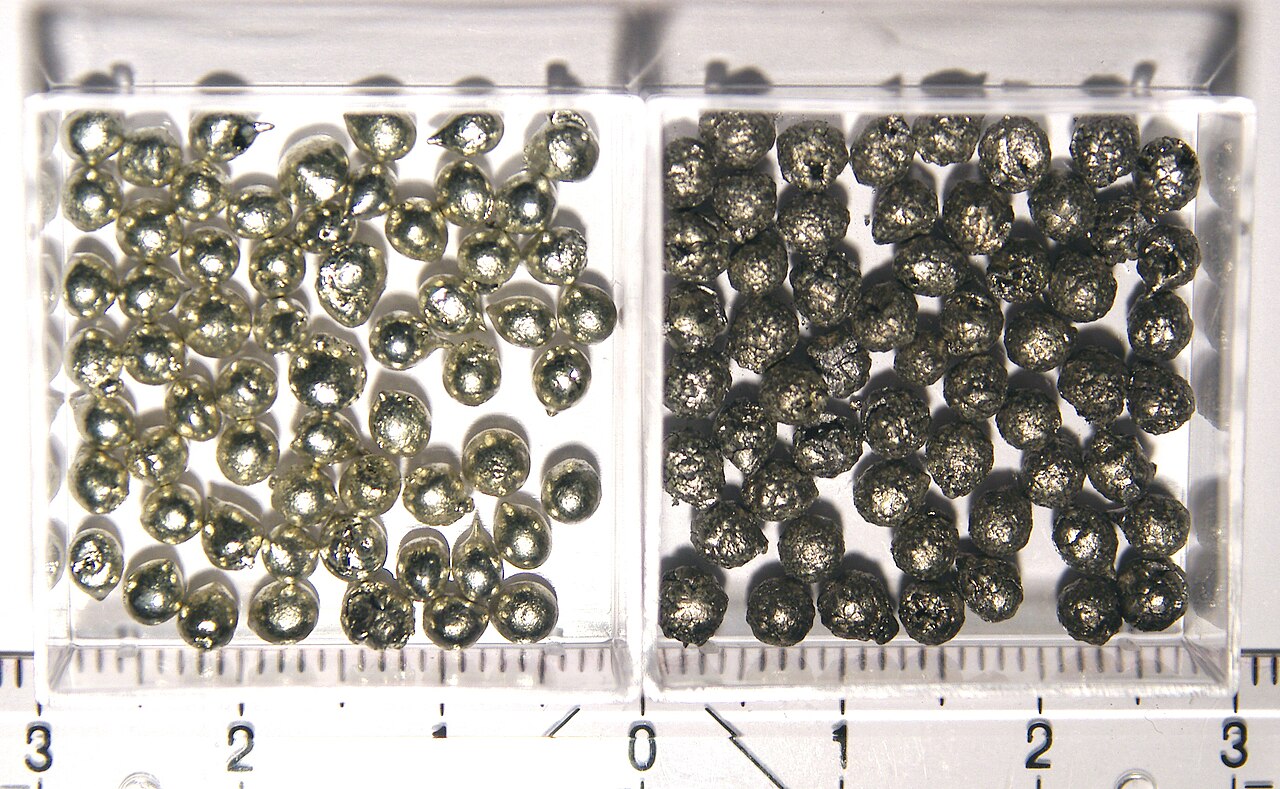
Understanding Tin (Sn): A Versatile Post-Transition Metal in Group 14
In the vast realm of chemical elements, few boast a history as rich or a versatility as broad as Tin (Sn). This fascinating post-transition metal, a cornerstone of human technological advancement since antiquity, continues to play a pivotal role in our modern world. From the earliest tools and weapons to the intricate components of today's electronics, the element with the chemical symbol Sn has consistently proven its indispensable value. But what exactly defines Tin, and what makes it such a unique and enduring material?
What is Tin (Sn)? Unpacking Its Fundamental Properties
At its core, Tin (Sn) is a chemical element distinguished by its atomic number 50. Situated in Group 14 of the periodic table, often referred to as the carbon group, Tin shares its lineage with elements like carbon, silicon, germanium, and lead. Its atomic weight clocks in at approximately 118.711 atomic mass units (u). The symbol "Sn" itself is derived from the Latin word "stannum," a testament to its long-standing recognition and use across ancient civilizations.
Classified as a post-transition metal, Tin exhibits characteristics that bridge the gap between traditional transition metals and the nonmetals. Unlike many of its metallic peers, Tin is notably soft, ductile, and malleable, with a relatively low melting point. At standard room temperature (25°C), Sn exists as a solid, typically appearing as a silvery-white, lustrous metal. Its position in Group 14 also gives it a distinct chemical personality, showcasing a fascinating similarity to its neighbors, germanium (Ge) and lead (Pb). This kinship is particularly evident in its oxidation states.
One of the key chemical properties of Tin is its ability to exist in two primary oxidation states: +2 and +4. While both are significant, the +4 oxidation state is generally considered slightly more stable. This dual nature allows Tin to participate in a wide array of chemical reactions and form diverse compounds, contributing to its extensive range of applications. Understanding these fundamental properties is the first step in appreciating the complex and crucial role Sn plays in various industries and technologies.
The Enduring Legacy of Tin (Sn): From Ancient Bronze to Modern Tech
The story of Tin (Sn) is inextricably linked with the very dawn of metallurgy and human civilization. Its extraction and deliberate use can be traced back to the beginnings of the Bronze Age, an era roughly commencing around 3000 BC. This period marked a monumental shift in human history, as societies moved beyond stone tools to embrace more durable and versatile metal implements. The discovery was largely accidental at first; ancient artisans noticed that copper objects formed from polymetallic ores—those containing various metal contents—exhibited different physical properties.
The earliest bronze artifacts, dating from approximately 2000 BC, often contained less than 2% tin or arsenic. These were likely the result of unintentional alloying, where trace amounts of these metals naturally occurred within the copper ore. However, as knowledge advanced, the deliberate addition of tin to copper transformed the landscape of ancient technology. The resulting alloy, bronze, was significantly harder, stronger, and more durable than pure copper, making it ideal for weapons, tools, and decorative objects. This innovation sparked a technological revolution, influencing warfare, agriculture, and art across continents.
The quest for tin resources became a driver of trade and exploration, leading to extensive mining operations and sophisticated trade networks connecting distant lands. While the Bronze Age eventually gave way to the Iron Age, Tin never lost its relevance. Its historical significance set the stage for its continued utility across millennia, adapting to new technologies and demands. To delve deeper into this fascinating period, explore Tin (Sn) in History: Tracing Its Bronze Age Origins.
Chemical Characteristics and Unique Behaviors of Sn
Beyond its basic classification, Tin (Sn) possesses several fascinating chemical characteristics that contribute to its distinctive behavior. As a member of Group 14, it exhibits properties that are somewhat intermediate between the metallic elements above it (like silicon and germanium) and the more metallic lead below it. This unique position contributes to its amphoteric nature, meaning it can react as both an acid and a base under different conditions, particularly when forming oxides.
The stability of its +4 oxidation state over +2 is a key feature. This is often explained by the "inert pair effect," where the outermost s-electrons in heavier p-block elements tend to remain non-ionized and therefore do not participate in bonding as readily as the p-electrons. For Tin, this means Sn4+ compounds (like tin dioxide, SnO2) are typically more stable than Sn2+ compounds (like tin(II) oxide, SnO), though both forms are important in tin chemistry.
Perhaps one of the most intriguing and practically significant aspects of Tin's chemistry is its allotropy—its ability to exist in more than one crystalline form. The two most common allotropes are:
- White Tin (β-tin): This is the metallic form we commonly recognize. It is ductile, malleable, and stable at temperatures above 13.2°C. Its tetragonal crystal structure gives it its metallic properties.
- Grey Tin (α-tin): This non-metallic, brittle allotrope has a diamond cubic crystal structure, similar to silicon and germanium. It is stable at temperatures below 13.2°C. The transformation from white tin to grey tin, often called "tin pest" or "tin disease," is a slow process at low temperatures but can accelerate significantly below -30°C. This transformation causes the metallic tin to crumble into a grey powder, posing significant problems for historical artifacts and modern electronic components exposed to cold environments.
Understanding these allotropes is crucial for applications where tin is exposed to varying temperatures, highlighting the importance of material science in optimizing its use.
Beyond the Basics: Modern Applications and Future of Tin (Sn)
The applications of Tin (Sn) have expanded dramatically since the Bronze Age, evolving with technological progress. Today, Tin remains a critical component in numerous industries:
- Solders: This is arguably the largest modern use of Tin. Its low melting point and excellent wetting properties make it ideal for joining metals, especially in electronics. The shift towards lead-free solders (primarily tin-silver-copper alloys) has further boosted Tin's demand due to environmental and health concerns associated with lead.
- Tin Plating: Tin is widely used as a protective coating for other metals, particularly steel. Tin-plated steel, commonly known as "tinplate," is used for food cans. The tin layer prevents corrosion and chemical reactions between the food and the steel, making it safe for food storage and preservation.
- Alloys: Beyond bronze, Tin is a component in various other alloys. Pewter, an alloy of tin with small amounts of copper, antimony, and bismuth, is used for decorative objects and tableware. Bearing alloys often incorporate tin due to its anti-friction properties.
- Chemicals and Catalysts: Tin compounds find use in a variety of chemical applications, including as stabilizers in plastics (e.g., PVC), as catalysts in organic reactions, and in the production of glass (float glass process uses molten tin).
- Optoelectronics: Indium tin oxide (ITO) is a transparent conductive oxide critical for touchscreens, LCD displays, and solar cells due to its unique combination of electrical conductivity and optical transparency.
The demand for Sn continues to be strong, driven by the ever-growing electronics industry and the increasing adoption of sustainable, lead-free technologies. Responsible sourcing and recycling efforts are also gaining traction to ensure a sustainable supply of this valuable element. To learn more about its specific characteristics, you might find Discover Tin (Sn): Atomic Number 50 and Its Key Properties a useful resource.
Conclusion
From its elemental identity as Sn, atomic number 50, a post-transition metal in Group 14, to its profound historical impact and essential modern applications, Tin stands as a testament to the enduring power and versatility of chemical elements. Its unique chemical properties, including its oxidation states and fascinating allotropic forms, underscore its adaptability. As technology continues to advance, the demand for Tin, particularly in lead-free solders and advanced materials, ensures its continued prominence. Understanding Tin is not just about comprehending a single element; it's about appreciating a fundamental building block that has shaped, and continues to shape, the course of human innovation and progress.