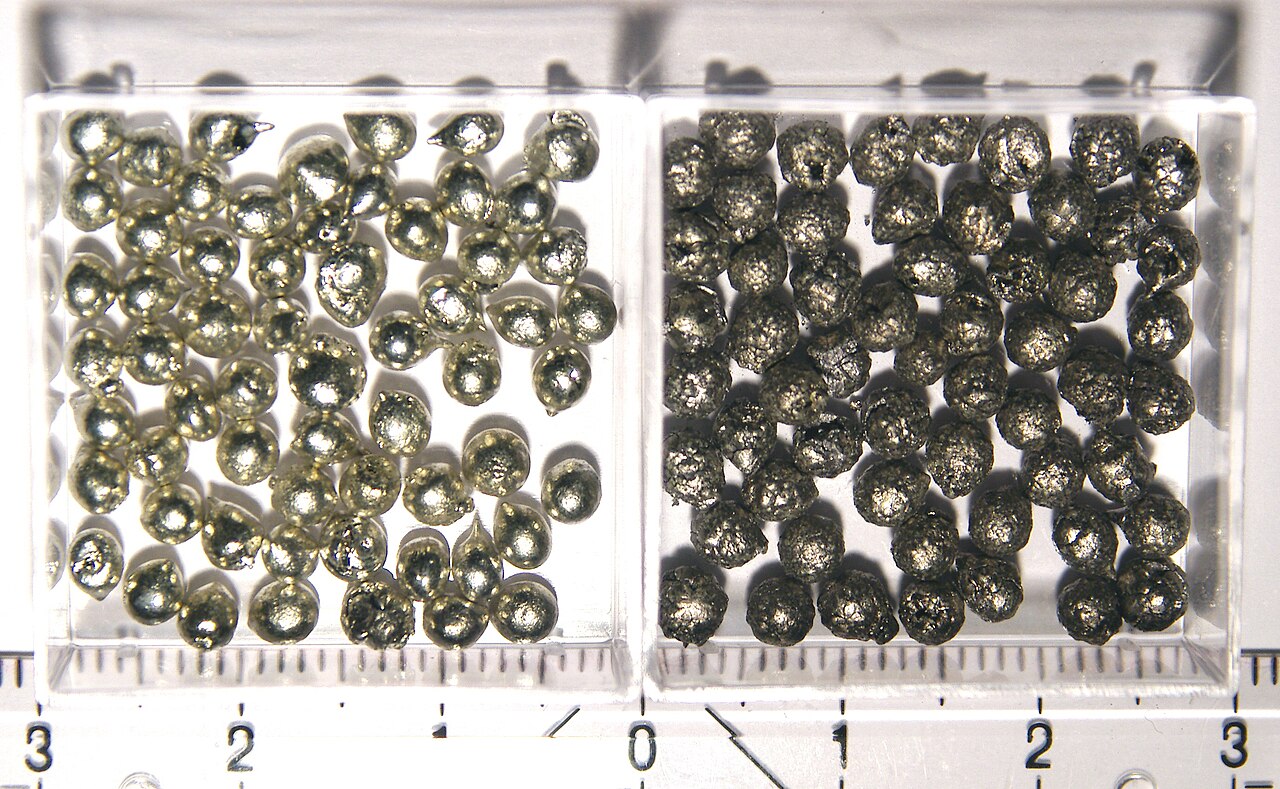
Tin (Sn) in History: Tracing Its Bronze Age Origins
The story of human civilization is often told through the materials we’ve mastered. From the Stone Age to the Iron Age, each era marks a significant leap in our ability to harness the Earth's resources. Nestled between these monumental periods lies the Bronze Age, a transformative epoch defined by the discovery and widespread adoption of bronze – an alloy that revolutionized tools, weapons, and societal structures. At the heart of this revolution was a unassuming yet powerful element: Tin (Sn).
While often overshadowed by more glamorous metals, tin's role in shaping ancient history cannot be overstated. Its unique properties, when combined with copper, unlocked a new era of technological advancement, propelling early civilizations forward. This article delves into the fascinating journey of Discover Tin (Sn): Atomic Number 50 and Its Key Properties, tracing its origins from an accidental discovery to a deliberately sought-after commodity that fueled the very first global trade networks.
The Chemical Identity of Tin (Sn): More Than Just a Minor Player
Before we journey back to the ancient world, it's essential to understand the fundamental nature of Tin (Sn) itself. As a chemical element, tin is represented by the symbol Sn, derived from its Latin name, stannum. It holds the atomic number 50 and an atomic weight of 118.711 u. Classified as a post-transition metal, tin resides in Group 14 of the periodic table, also known as the carbon group. At room temperature, specifically 25°C, tin exists as a solid, a characteristic that made it practical for early metallurgy.
Chemically, tin exhibits intriguing similarities to its neighboring Group 14 elements, germanium and lead. It possesses two primary oxidation states: +2 and the slightly more stable +4. These valencies play a crucial role in its reactions and the formation of various compounds. Understanding these core properties helps contextualize why tin was such a valuable component in alloying, particularly with copper, for our ancient ancestors. For a deeper dive into its classification, explore Understanding Tin (Sn): A Post-Transition Metal in Group 14.
Unveiling the Bronze Age: Tin's Accidental Debut
The earliest evidence of tin extraction and use dates back to the very dawn of the Bronze Age, around 3000 BC. This period marks a pivotal moment when early metallurgists, perhaps by serendipity, began to notice a remarkable phenomenon. They observed that copper objects smelted from different polymetallic ores exhibited varied physical properties. Some were harder, stronger, and held a sharper edge than pure copper.
This initial discovery wasn't a deliberate act of alloying. Instead, it's widely believed that the earliest bronze objects, characterized by a tin or arsenic content of less than 2%, were the result of unintentional alloying. Trace amounts of tin, present as impurities within copper ores, were inadvertently incorporated during the smelting process. Imagine a rudimentary furnace, high heat, and a metallurgist experimenting with different rocks. They wouldn't have known they were creating a new material, only that some batches of copper seemed superior. This accidental inclusion of tin fundamentally changed the characteristics of the resulting metal, making it more durable and workable.
Insight: This "accidental discovery" highlights the ingenuity and keen observation skills of early humans. Without modern scientific instruments, they relied solely on empirical evidence – what worked best for tools and weapons – to drive their technological advancements. It's a testament to practical problem-solving over theoretical understanding.
From Accidental Trace to Intentional Alloy: The Evolution of Bronze
While the initial incorporation of Sn into copper was unintentional, it didn't take long for ancient artisans to understand the benefits. The improved hardness, lower melting point (which made casting easier), and enhanced durability of this new alloy, bronze, were undeniable. Over centuries, what began as a happy accident evolved into a deliberate and sophisticated process. By around 2000 BC, we see artifacts where the tin content is clearly intentional, demonstrating a growing mastery over metallurgy.
The oldest artifacts featuring intentional tin bronze date from this period, showcasing a technological leap. Instead of merely using naturally occurring polymetallic ores, ancient societies began to actively seek out tin-rich minerals, often traveling vast distances to secure this precious commodity. This transition from accidental to intentional alloying required not only advanced metallurgical knowledge but also a sophisticated understanding of resource management and trade.
- Increased Hardness: Bronze was significantly harder than pure copper, allowing for the creation of more effective tools (axes, chisels) and superior weapons (swords, spearheads).
- Lower Melting Point: The addition of tin lowered copper's melting point, making it easier to cast into intricate shapes and molds, thereby improving manufacturing efficiency and design complexity.
- Improved Durability: Bronze was less prone to corrosion and wear compared to copper, leading to longer-lasting implements.
- Aesthetic Appeal: Bronze often had a more golden hue than copper, making it desirable for ornamental and artistic purposes.
Fact Check: While arsenic was also used as an alloying agent with copper in early stages (creating arsenical bronze), tin ultimately became the preferred additive due to its greater safety in handling and superior properties in the resulting alloy.
The Transformative Power of Tin: Impact on Early Civilizations
The advent of bronze had a profound and far-reaching impact on early human civilizations. It wasn't merely a new material; it was a catalyst for unprecedented societal change. The ability to forge harder, sharper, and more durable tools and weapons led to advancements in:
- Agriculture: Better plows and tools allowed for more efficient farming, leading to agricultural surpluses and supporting larger, denser populations.
- Warfare: Superior bronze weapons provided a decisive advantage in conflict, shaping the rise and fall of empires and city-states.
- Craftsmanship & Art: The ease of casting allowed for the creation of intricate jewelry, sculptures, and religious artifacts, reflecting growing cultural sophistication.
- Trade & Economy: Tin ore was not universally abundant. Major tin deposits existed in specific regions, such as Cornwall in Britain, various parts of Central Asia, and regions of Southeast Asia. This geographical scarcity led to the development of extensive trade networks across continents, fostering economic exchange and cultural diffusion. The "tin roads" of antiquity were crucial arteries connecting distant lands.
- Social Hierarchy: The control over bronze production and trade often conferred significant power and wealth, contributing to the formation of social stratification and specialized labor.
The journey from a trace impurity to a globally traded commodity highlights the ingenious resourcefulness of our ancestors. They observed, experimented, and ultimately mastered the properties of materials like Sn to sculpt their world. The Bronze Age, fueled by the humble yet mighty tin, laid many of the foundations for the complex societies we see today.
Conclusion
From its initial, almost accidental incorporation into copper around 3000 BC, Tin (Sn) embarked on a remarkable journey that profoundly influenced human history. This post-transition metal, with its atomic number 50 and distinctive properties, became the linchpin of the Bronze Age, transforming rudimentary copper tools into formidable instruments of progress and power. The transition from unintentional alloying to a deliberate, global pursuit of tin ores represents a monumental leap in human ingenuity and metallurgical understanding. As we reflect on this pivotal era, it's clear that tin was more than just an element; it was a catalyst for civilization, an enabler of empires, and a silent architect of the ancient world. Its legacy continues to echo in the foundations of modern metallurgy and our ongoing quest to harness the power of elements for progress.