Discover Tin (Sn): Unveiling Element 50 and Its Fundamental Properties
In the vast tapestry of the periodic table, few elements boast a history as rich and a utility as diverse as Tin (Sn). With an atomic number of 50, Tin (Sn) stands as a testament to both ancient ingenuity and modern technological advancement. From the dawn of civilization, shaping tools and weapons, to its indispensable role in today's electronics and manufacturing, Tin (Sn) has consistently proven its worth. This comprehensive guide delves into the core identity of Tin (Sn), exploring its fundamental properties, historical significance, and the myriad ways it continues to impact our world.
Known by its chemical symbol Sn, derived from the Latin word stannum, Tin (Sn) is far more than just another entry on the periodic table. It’s a versatile post-transition metal, a member of Group 14 (the carbon group), and a solid at room temperature with an atomic weight of 118.711 u. Understanding Tin (Sn) means appreciating its unique blend of physical and chemical attributes that have made it a cornerstone of human progress for millennia.
What is Tin (Sn)? Unpacking Atomic Number 50
At its core, Tin (Sn) is a metallic chemical element defined by its atomic number 50. This number signifies that every atom of Tin (Sn) contains 50 protons in its nucleus, a characteristic that uniquely identifies it. As a post-transition metal, Tin (Sn) occupies a unique position in the periodic table, exhibiting properties that bridge the gap between reactive metals and non-metals. It shares chemical similarities with its Group 14 neighbors, Germanium (Ge) and Lead (Pb), yet maintains distinct characteristics that set it apart.
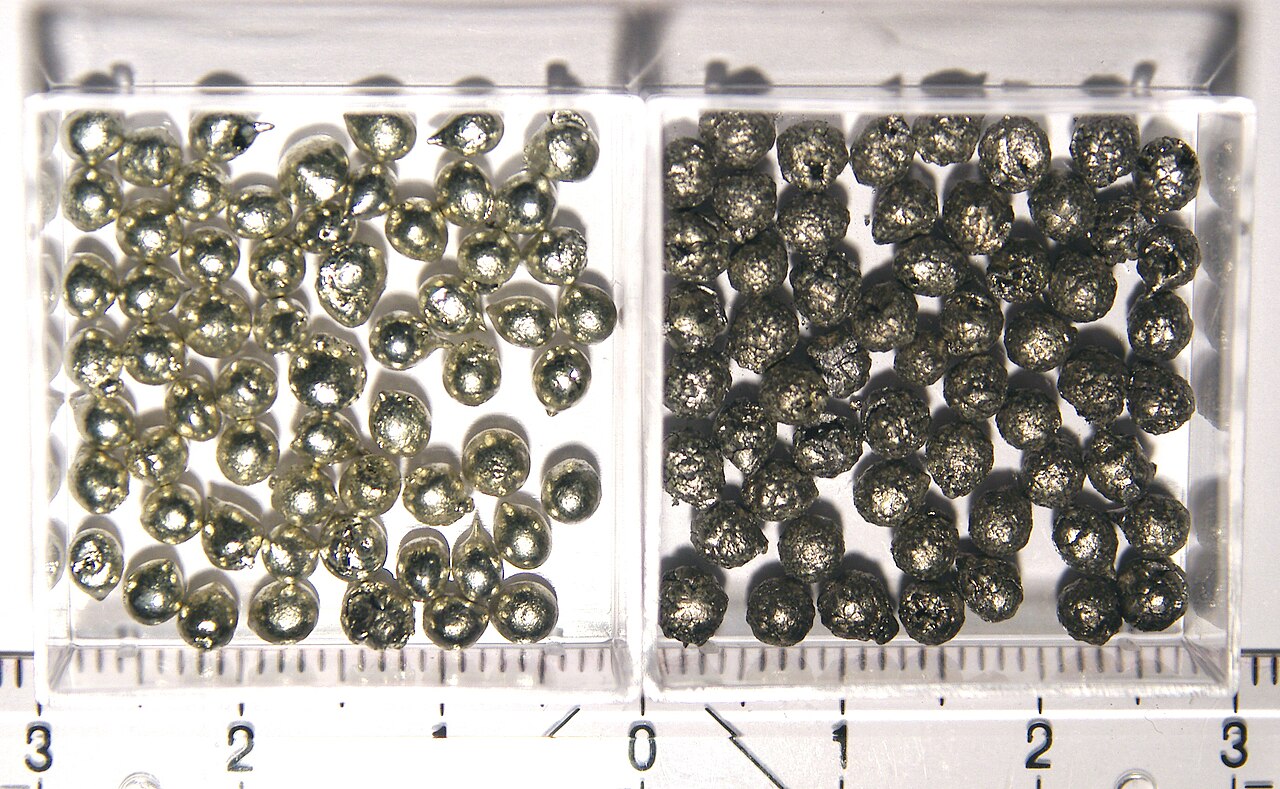
One of the key chemical features of Tin (Sn) is its ability to exist in two primary oxidation states: +2 and +4. While both are possible, the +4 oxidation state is generally considered to be the more stable form, influencing how Tin (Sn) reacts and forms compounds. This dual nature contributes to its versatility in chemical applications. At a macroscopic level, Tin (Sn) is readily observable as a solid under standard room temperature conditions (25°C), typically appearing as a silvery-white, lustrous metal when polished.
Being part of Group 14, also known as the carbon group, places Tin (Sn) alongside elements like carbon, silicon, germanium, and lead. This familial connection means Tin (Sn) shares certain bonding characteristics and chemical behaviors with these elements, particularly in its ability to form four covalent bonds or ionic bonds in its +2 and +4 states. This atomic structure and electronic configuration are the bedrock upon which all its practical applications are built.
The Enduring Legacy of Tin (Sn): From Ancient Bronzes to Modern Innovation
The story of Tin (Sn) is deeply interwoven with the narrative of human civilization. Its extraction and deliberate use can be traced back to the very beginnings of the Bronze Age, around 3000 BC. This era marked a revolutionary shift in human technology, driven largely by the discovery that copper, when alloyed with other metals, could yield materials with vastly superior physical properties. Early bronze objects, often containing less than 2% tin or arsenic, are believed to be the result of unintentional alloying, where trace metals in copper ore led to stronger, more durable tools and weapons.
However, the intentional pursuit and incorporation of Tin (Sn) soon followed. The oldest artifacts demonstrating deliberate alloying of copper with Tin (Sn) date back to approximately 2000 BC. This innovation was transformative, providing ancient societies with metals that were harder, more resistant to corrosion, and easier to cast than pure copper. The advent of bronze, facilitated by Tin (Sn), ushered in an era of advanced metallurgy, enabling the creation of more effective tools, sophisticated weaponry, and intricate artistic and ceremonial objects. This period profoundly shaped early human societies, influencing trade routes, warfare, and cultural development.
The historical significance of Tin (Sn) cannot be overstated. It was a catalyst for technological advancement that propelled humanity out of the Stone Age. From ancient Sumerian and Egyptian civilizations to the Roman Empire and beyond, the demand for Tin (Sn) fueled extensive mining and trading networks. To delve deeper into this fascinating history, explore our article: Tin (Sn) in History: Tracing Its Bronze Age Origins.
Key Properties and Characteristics of Tin (Sn)
Beyond its historical importance, Tin (Sn) possesses a suite of fascinating physical and chemical properties that make it incredibly useful. As a post-transition metal, it exhibits metallic luster, malleability, and ductility, meaning it can be hammered into thin sheets and drawn into wires, albeit less so than some other metals like copper or gold.
- Low Melting Point: One of Tin's (Sn) most notable properties is its relatively low melting point (231.9 °C or 449.4 °F). This characteristic is crucial for many of its applications, particularly in soldering and casting, where ease of melting and forming is paramount.
- Corrosion Resistance: Tin (Sn) is remarkably resistant to corrosion from water and air at ambient temperatures. This resistance is due to the formation of a thin, protective oxide layer on its surface, which prevents further oxidation. This property makes it an excellent protective coating for other metals.
- Allotropy: Tin (Sn) is famous for its allotropic forms, primarily alpha-tin (α-Sn) and beta-tin (β-Sn).
- Beta-tin (β-Sn): This is the common metallic form, often referred to as "white tin." It is ductile and has a tetragonal crystalline structure.
- Alpha-tin (α-Sn): Also known as "gray tin," this form is non-metallic, brittle, and has a diamond cubic crystal structure. It is stable at temperatures below 13.2 °C (55.8 °F). Below this temperature, beta-tin can slowly transform into alpha-tin, a phenomenon known as "tin pest" or "tin disease." This transformation causes tin objects to crumble into a gray powder, which historically posed significant challenges for military equipment and organ pipes in cold climates.
- Non-toxicity: In its metallic form, Tin (Sn) is generally considered non-toxic to humans. This makes it safe for use in food packaging and medical applications, a stark contrast to its Group 14 neighbor, lead.
These properties, especially its low melting point, corrosion resistance, and relative non-toxicity, have ensured Tin (Sn)'s continued relevance in various industries.
Diverse Applications of Tin (Sn) in the Modern World
The versatility of Tin (Sn) extends far beyond its ancient role in bronze. Today, it remains a vital component in countless industrial and consumer products:
- Soldering: Perhaps the most widespread use of Tin (Sn) is in solders. Its low melting point, excellent wetting properties, and ability to form strong bonds with other metals make tin-lead and lead-free solders indispensable for joining electrical components in electronics. The shift towards lead-free solders for environmental and health reasons has further highlighted the importance of Tin (Sn) in this application.
- Tin Plating (Tin Cans): Billions of "tin cans" are produced annually, though they are primarily made of steel coated with a thin layer of Tin (Sn). This tin plating prevents the steel from rusting and corroding, safeguarding food, beverages, and other products, while also ensuring the non-toxic nature of the container in contact with consumables.
- Alloys: Beyond bronze, Tin (Sn) is a key ingredient in numerous other alloys:
- Pewter: An alloy primarily of tin, often with copper, antimony, and bismuth, used for decorative items and tableware.
- Bearing Metals (Babbitt Metal): Tin-based alloys known for their excellent anti-friction properties, crucial in machinery bearings.
- Dental Amalgams: While less common now, tin alloys were historically used in dental fillings.
- Glass Manufacturing: In the production of float glass, molten glass is poured onto a bath of molten Tin (Sn). The tin's perfectly flat, unreactive surface provides a smooth and uniform base for the glass to spread and solidify, creating perfectly flat sheets of glass.
- Chemical Compounds: Tin (Sn) forms a variety of inorganic and organotin compounds. These are used as catalysts in chemical reactions, as stabilizers in PVC plastics, and in certain agricultural fungicides, though the environmental impact of some organotin compounds has led to stricter regulations.
Understanding Tin (Sn)'s classification as a post-transition metal in Group 14 provides deeper insights into these diverse applications. For a more detailed look into its chemical identity, consult: Understanding Tin (Sn): A Post-Transition Metal in Group 14.
Environmental and Health Considerations of Tin (Sn)
While metallic Tin (Sn) is generally regarded as non-toxic and is safely used in food contact applications, its compounds present a more complex picture. Inorganic tin compounds are typically of low toxicity. However, organotin compounds, which contain tin bonded directly to carbon atoms, can range from moderately to highly toxic. Historically, some organotin compounds, such as tributyltin (TBT), were used extensively in antifouling paints for ships due to their potent biocidal properties. However, their severe environmental impact on marine ecosystems, particularly shellfish, led to a global ban on their use in marine paints.
Today, there is a strong emphasis on responsible sourcing and recycling of Tin (Sn). Recycling helps to conserve natural resources and reduces the energy required for primary tin production. The move towards lead-free solders is another example of how industries are adapting to ensure the safe and sustainable use of Tin (Sn) in modern applications.
Conclusion
From its symbolic designation Sn, rooted in ancient Latin, to its atomic number 50, Tin (Sn) is an element with a profound and multifaceted identity. Its journey from a key component of the Bronze Age to an essential material in the digital age underscores its remarkable adaptability and enduring value. As a post-transition metal in Group 14, its unique blend of a low melting point, corrosion resistance, and versatile allotropic forms has cemented its place in industries ranging from electronics and packaging to construction and specialized alloys. As we continue to innovate, the humble yet powerful element Tin (Sn) will undoubtedly remain at the forefront, shaping the materials and technologies of tomorrow.